

Facts on Fibre
2025-12-11
Dietary Fibre is a carbohydrate, mainly found in plant foods such as fruits, vegetables, legumes and whole grains. Unlike other nutrients, such as protein or fats which the body breaks down and absorbs in digestion, fibre passes through digestion mostly unbroken (Mayo Clinic, 2024).
Dietary Fibre is typically generalised into two main types – soluble and insoluble. Both types of Dietary Fibre help in different ways to keep your digestive track running smoothly, both preventing and relieving constipation (Mayo Clinic, 2024).
Soluble fibre dissolves in water and makes bowel contents soften and able to move more easily. Sources of soluble fibre include oats, peas, beans, apples, bananas, avocados, citrus fruits and carrots (NZ Nutrition Foundation, 2022).
Insoluble fibre doesn’t dissolve in water, instead adding bulk to material to make it easier to pass. Sources of insoluble fibre include whole-wheat flour, wheat bran, nuts, beans, cauliflower and potatoes (NZ Nutrition Foundation, 2022).
Other benefits
Higher intake of Dietary Fibre also has beneficial results in chronic disease prevention (Academy of Nutrition and Dietetics, 2015).
Over the last few decades, the Western diet has grown increasingly lacking in fibre (Barber et al., 2020). If your TikTok feed skews towards fitness, you may have come across a video or two attesting to the importance of prioritising your fibre intake to avoid colon cancer, instead of protein for muscle mass. Let’s fact-check this.
Not eating enough fibre causes 28% of bowel cancer cases in the UK (Cancer Research UK, 2025). The World Cancer Research Fund (2018) states there’s strong evidence to support dietary fibre intake decreasing the risk of bowel cancer. Their systematic literature review (SLR) completed in 2017 looked at 23 studies on the relationship between dietary fibre and bowel cancer and concluded there is probable evidence to support dietary fibre intake with reducing the risk of bowel cancer.
Increased dietary fibre intake may help lower bowel cancer risk by making things move through your digestive system faster and easier, which limits the contact between harmful substances and the colon lining (Bingham, 1990). By speeding up digestion, fibre also reduces the time that bile acids spend in the colon (World Cancer Research Fund, 2018). Research indicates that secondary bile acids can damage the DNA of colon cells and promote inflammation (Liu et al., 2022).
So, Fibre intake is integral to bowel health but that’s not to say you should disregard other macronutrients like protein.
How much do you need?
The New Zealand Nutrition Foundation (2022) recommends adult women consume at least 25 grams of dietary fibre per day and adult men consume 30 grams per day as adequate intake. The Nutrient Reference Values (NRVs) in NZ and Australia have not set a maximum on daily dietary fibre intake but don’t overhaul your diet straight away. Adding high-fibre foods should be done gradually to decrease potential wind and bloating while your digestive system gets used to the change.


EveryDay+ and dietary fibre
If you're looking to get some extra dietary fibre while on-to-go, check out the new EveryDay+ Kiwifruit, Green Apple & Matcha Gut Health drink with 4 grams of fibre per serving and added pre- and post-biotics for extra gut health support.
Summary
Dietary Fibre is important to our overall daily and long-term digestive health, but many Kiwis eat less than half of the adequate daily intake (New Zealand Nutrition Foundation, 2022). To start incorporating more fibre into your diet, gradually increase your intake of whole plant foods like wholegrain cereals, brown rice, fruit and vegetables.
Please note, EveryDay+ products are intended to complement a healthy lifestyle and are not a substitute for medical treatments or supplements. While we provide general tips and information on our blog, we recommend consulting a healthcare professional for personalised advice.
References
Academy of Nutrition and Dietetics. (2015). Position of the Academy of Nutrition and Dietetics: Health implications of dietary fibre. Journal of the Academy of Nutrition and Dietetics, 115(11), 1861–1870. https://doi.org/10.1016/j.jand.2015.08.007
Barber, T. M., Kabisch, S., Pfeiffer, A. F. H., & Weickert, M. O. (2020). The health benefits of dietary fibre. Nutrients, 12(10), 3209. https://doi.org/10.3390/nu12103209
Bingham, S. A. (1990). Mechanisms and experimental and epidemiological evidence relating dietary fibre (non-starch polysaccharides) and starch to protection against large bowel cancer. Proceedings of the Nutrition Society, 49(2), 153–171. https://doi.org/10.1079/pns19900021
Cancer Research UK. (2025, January 3). Risks and causes of bowel cancer. https://www.cancerresearchuk.org/about-cancer/bowel-cancer/risks-causes
Liu, Y., Zhang, S., Zhou, W., Hu, D., Xu, H., & Ji, G. (2022). Secondary bile acids and tumorigenesis in colorectal cancer. Frontiers in Oncology, 12, 813745. https://doi.org/10.3389/fonc.2022.813745
Mayo Clinic Staff. (2024, December 11). Dietary fiber: Essential for a healthy diet. Mayo Clinic. https://www.mayoclinic.org/healthy-lifestyle/nutrition-and-healthy-eating/in-depth/fiber/art-20043983
New Zealand Nutrition Foundation. (2022, July 18). Fibre. (Link has since been removed).
World Cancer Research Fund/American Institute for Cancer Research. (2018). Diet, nutrition, physical activity and colorectal cancer. Continuous Update Project Expert Report 2018. https://www.wcrf.org/wp-content/uploads/2024/10/Colorectal-cancer-report.pdf
Featured Products


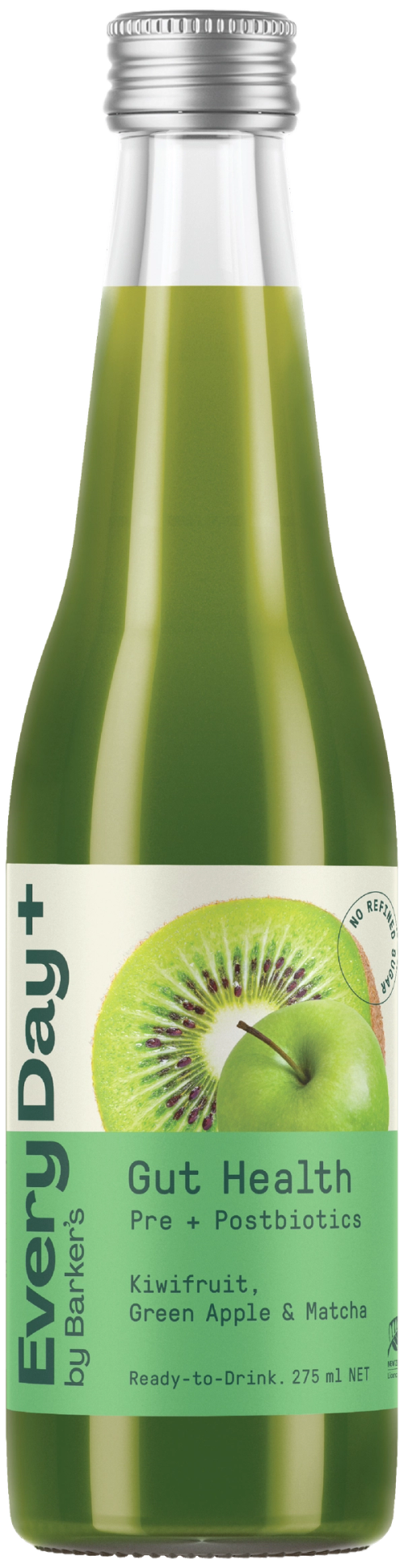
$27.99$34.99
8 x 275ml
Related Posts

American food manufacturer, McCormick has named Blackcurrant the flavour of the ...
Read more >
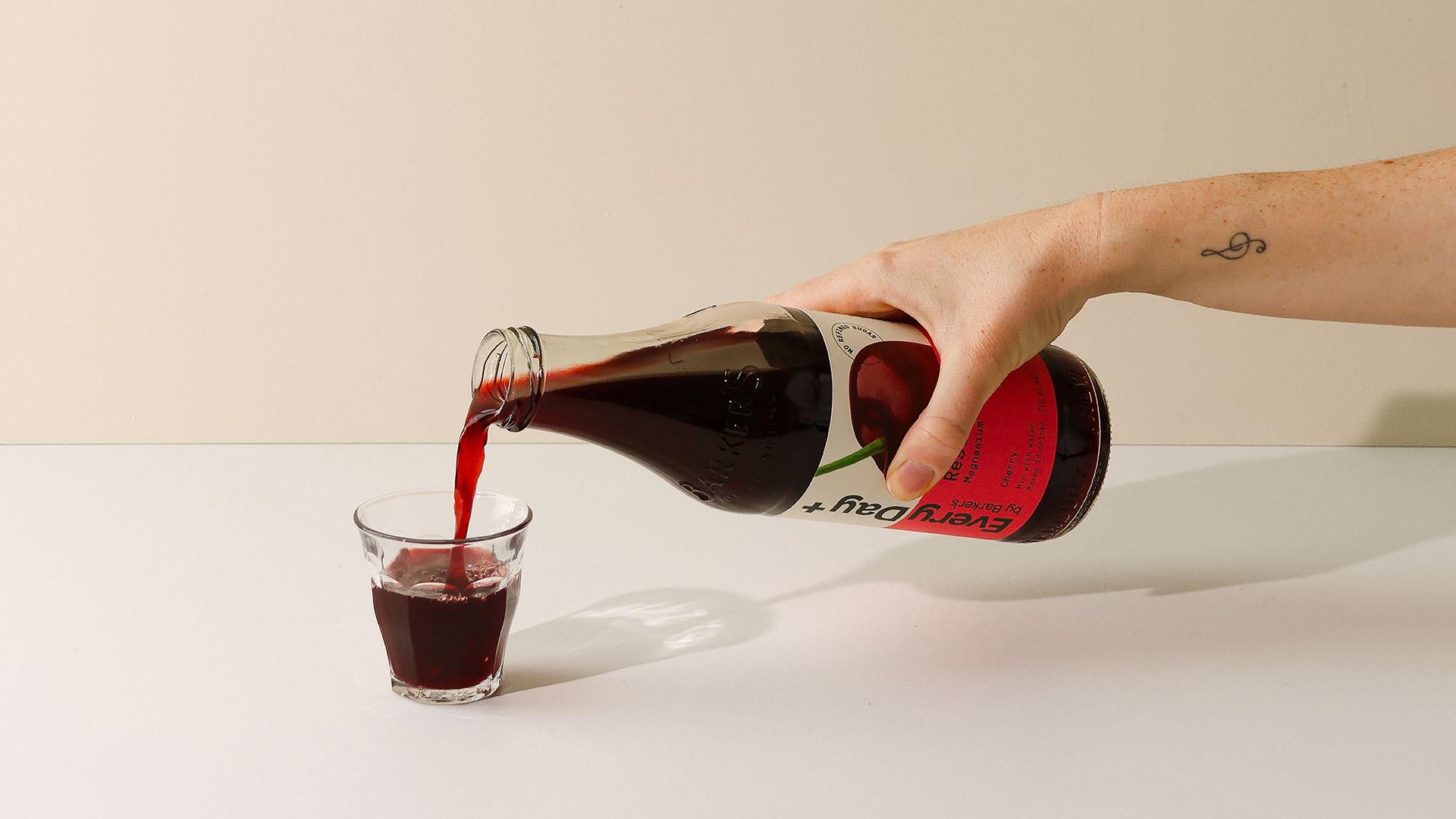
We’ve introduced Restore to the EveryDay+ range – a concentrate made from 98% Ne...
Read more >
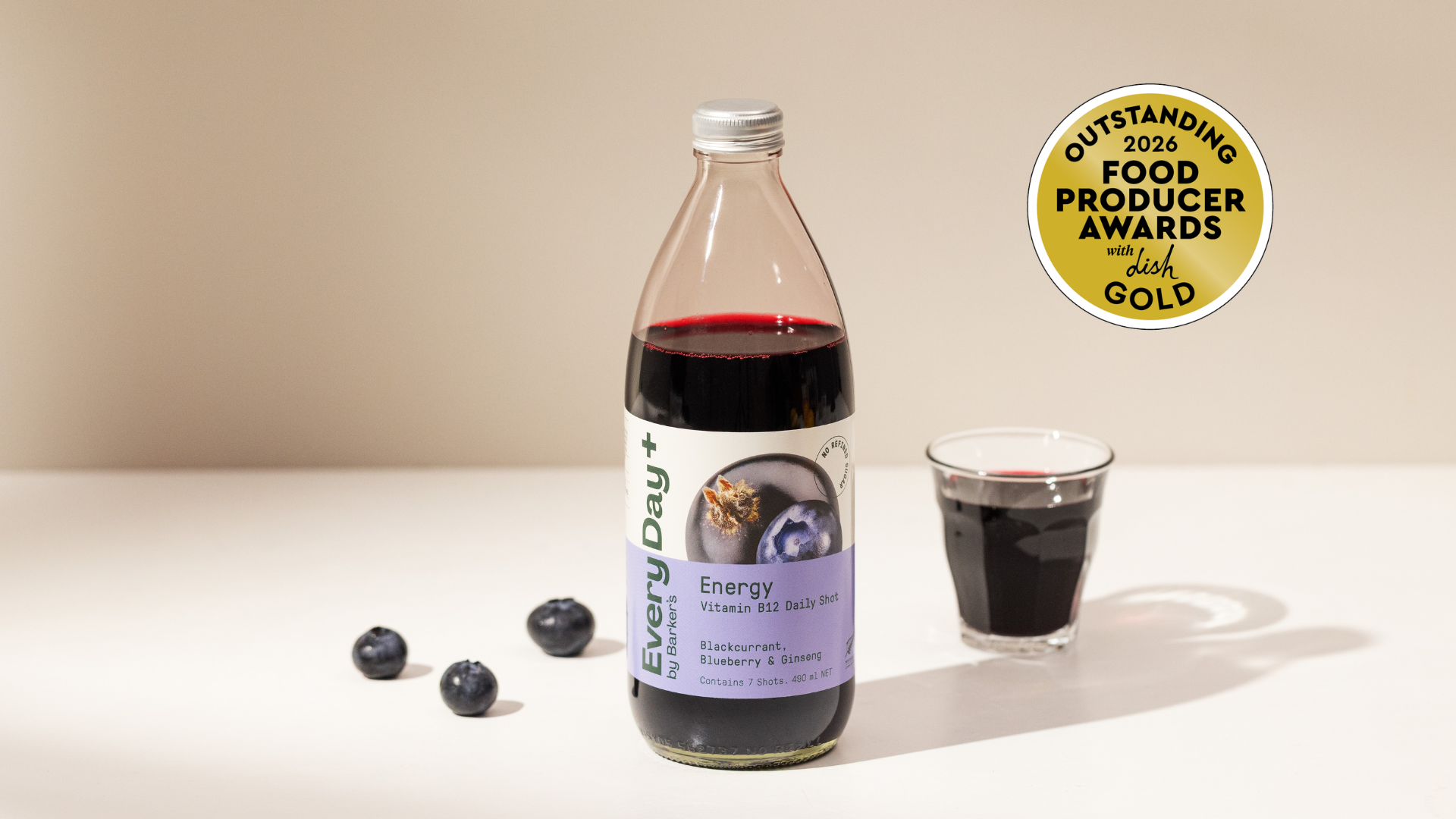
We’ve got some golden news to share! Our EveryDay+ Blackcurrant, Blueberry & Gin...
Read more >
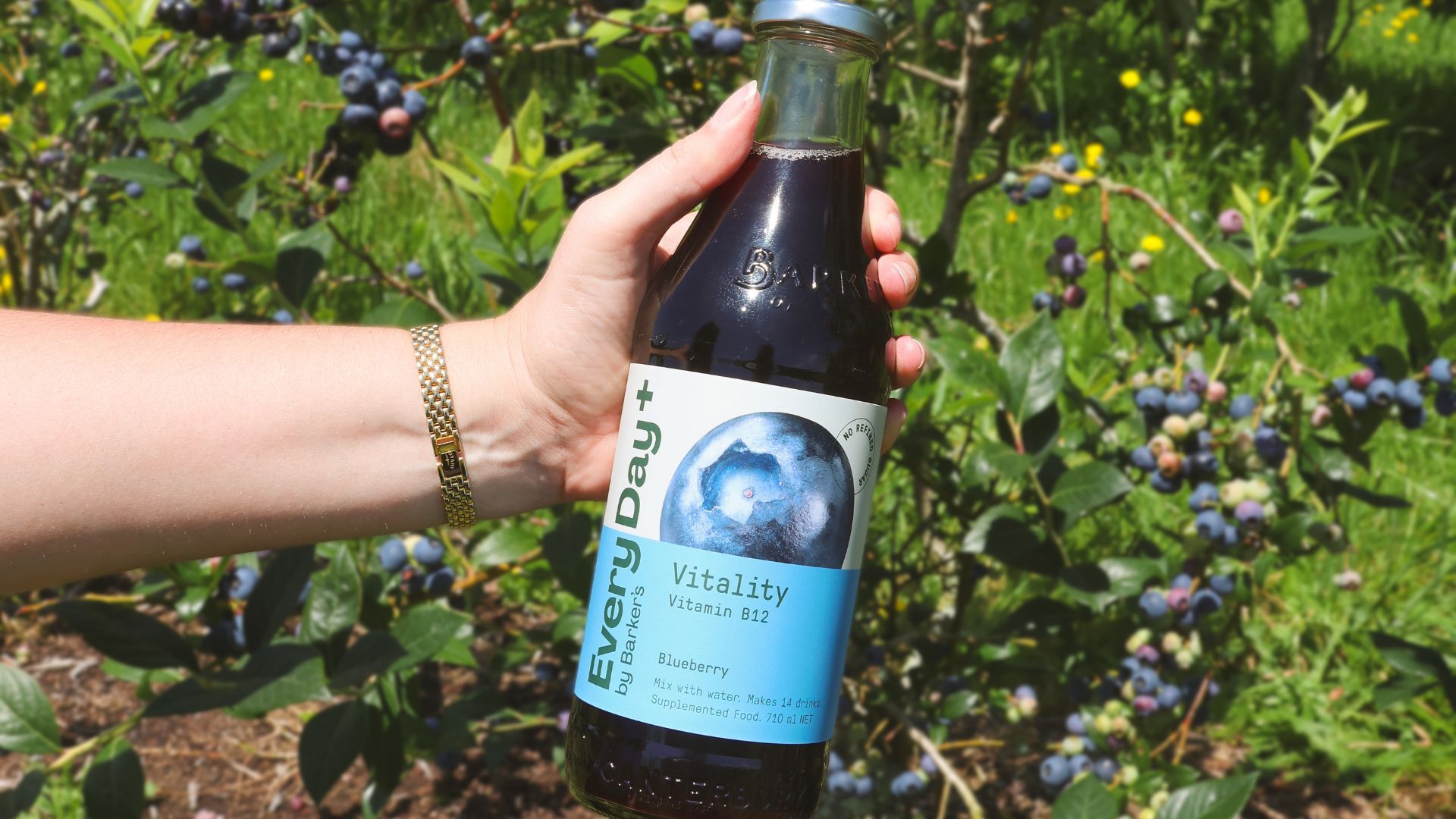
We love blueberries at EveryDay+ and use them in a few of our products for their...
Read more >